18 November 2026
Can Pressure Washing Remove Mould From Brick Walls?
Presented by @titusclug611
The short answer is yes, pressure washing can remove mould from exterior brick walls, but standard high-pressure blasting is rarely the safest or most effective method. While a blast of water might strip away the visible black, green, or grey stains on the surface, mould is a living fungus that embeds micro-spores deep within porous building materials. Without the correct technique and chemical treatment, the mould will quickly return, and aggressive water pressure can permanently damage your brickwork and mortar.
For property owners across the Mornington Peninsula, tackling exterior mould requires balancing thorough biological eradication with the gentle preservation of coastal masonry.
The Hidden Risks of High-Pressure Water on Brickwork
Bricks are naturally porous, and the mortar holding them together is softer than the brick face itself. Blasting https://emiliorder744.lucialpiazzale.com/how-to-pressure-clean-glass-pool-fences-without-streaks brickwork with extreme pressure (typically above 1,500 PSI) introduces several significant risks:
- Mortar Degradation: Excessive water pressure erodes mortar joints, causing structural instability and allowing moisture to penetrate your wall cavity.
- Brick Spalling: Stripping away the kiln-fired exterior coating of the brick leaves the softer core exposed to water absorption, leading to crumbling and surface spalling over time.
- Spore Dispersal: High pressure can blast living mould spores into surrounding micro-cracks and adjacent surfaces, accelerating mould spread across shaded outdoor areas.
- Trapped Moisture: Injecting gallons of pressurised water into microscopic brick pores can trap dampness within the wall, creating the ideal breeding ground for recurrent fungal growth.
The Modern Standard: Soft Washing for Brick Mould Removal
The industry standard for exterior cleaning relies on soft washing rather than raw pressure. Soft washing combines specialised, biodegradable antifungal solutions with low-pressure rinsing (often under 500 PSI—roughly equivalent to a standard garden hose with an effective nozzle).

The antifungal pre-treatment penetrates the capillary structure of the brick and mortar, killing the fungal root system and neutralising invisible spores. Once the solution has had sufficient dwell time to sanitise the surface, technicians gently rinse away the dead organic matter. This approach eliminates the stain at its biological root while keeping your mortar lines and brick surfaces completely intact.
Why Mould Thrives on the Mornington Peninsula
From the bay beaches of Mornington and Mount Martha to the wilder ocean air of Flinders and Portsea, properties on the Mornington Peninsula exist in a distinct coastal microclimate. High humidity, sea spray, and frequent winter rainfall create damp conditions where mould, mildew, and lichen thrive.
South-facing walls, brick fences shaded by mature ti-trees, and sheltered alfresco areas rarely receive enough direct sunlight to dry completely during the cooler months. The salt in coastal air also attracts ambient atmospheric moisture, compounding dampness in masonry. Regular exterior sanitation is essential on the Peninsula to prevent long-term brick staining and structural moisture retention.
Best Practices for Cleaning Mouldy Exterior Walls
If you plan to clean mould from brick surfaces around your home, following a strategic process ensures thorough results without causing structural wear:
- Inspect the Mortar First: Ensure mortar joints are solid. If your pointing is crumbly or aged, even moderate water pressure can cause washouts.
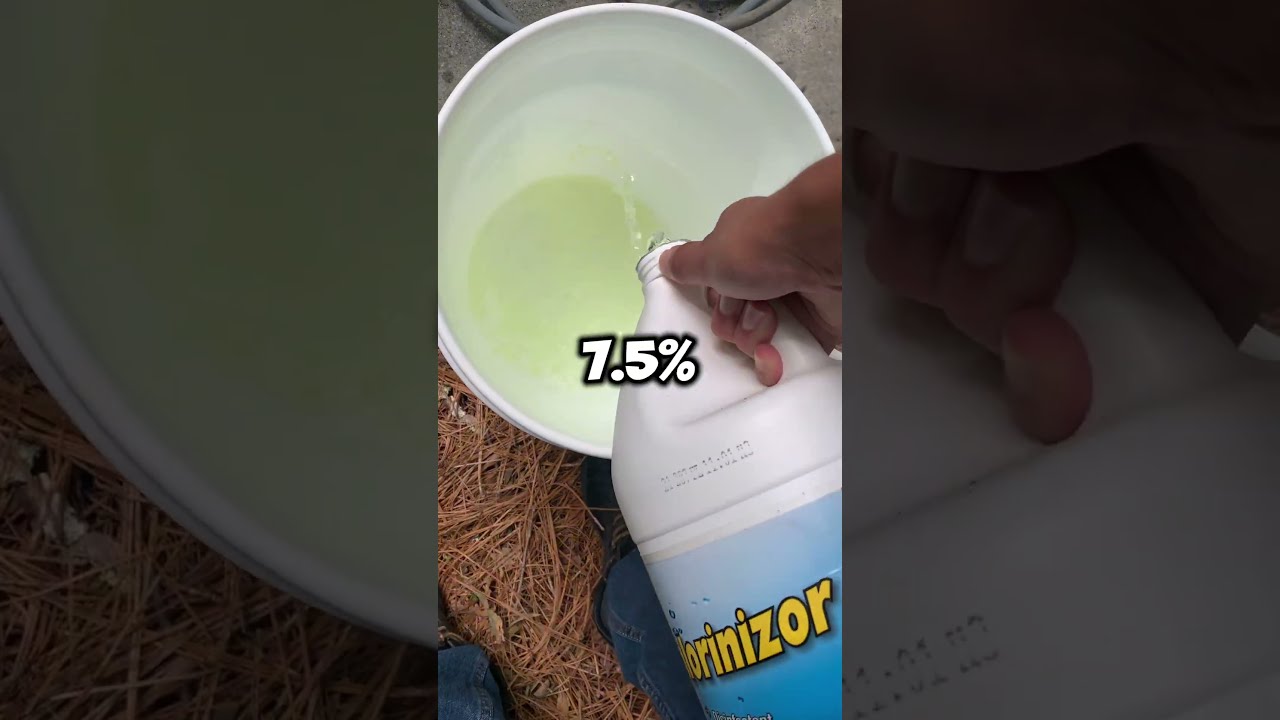
- Apply an Antifungal Solution: Use a dedicated masonry biocide or oxygenating wash to kill active spores prior to any mechanical cleaning.
- Allow Adequate Dwell Time: Let the cleaning agent sit on the brick for 15 to 30 minutes, keeping it wet so the active ingredients can penetrate deep pores.
- Rinse with Controlled Pressure: Use a wide fan tip (40 degrees or wider) and low pressure to gently lift loosened organics from the wall.
- Apply a Preventative Sealant: For chronically damp microclimates, applying a breathable, silane-siloxane masonry sealer helps repel moisture without trapping vapour inside your walls.
When to Call a Professional Cleaning Service
While light surface mould can occasionally be managed with low-pressure domestic equipment, extensive infestations, two-storey walls, and delicate historic brickwork require specialised care. Professional exterior cleaners utilise commercial-grade chemical application systems and hot-water soft wash equipment, delivering long-lasting biological cleansing that protects the durability and aesthetic appeal of your Peninsula home.
Mornington Peninsula Pressure Washing
(03) 8686 8331